Become an EQ Pro

Wishlist Share

About Course

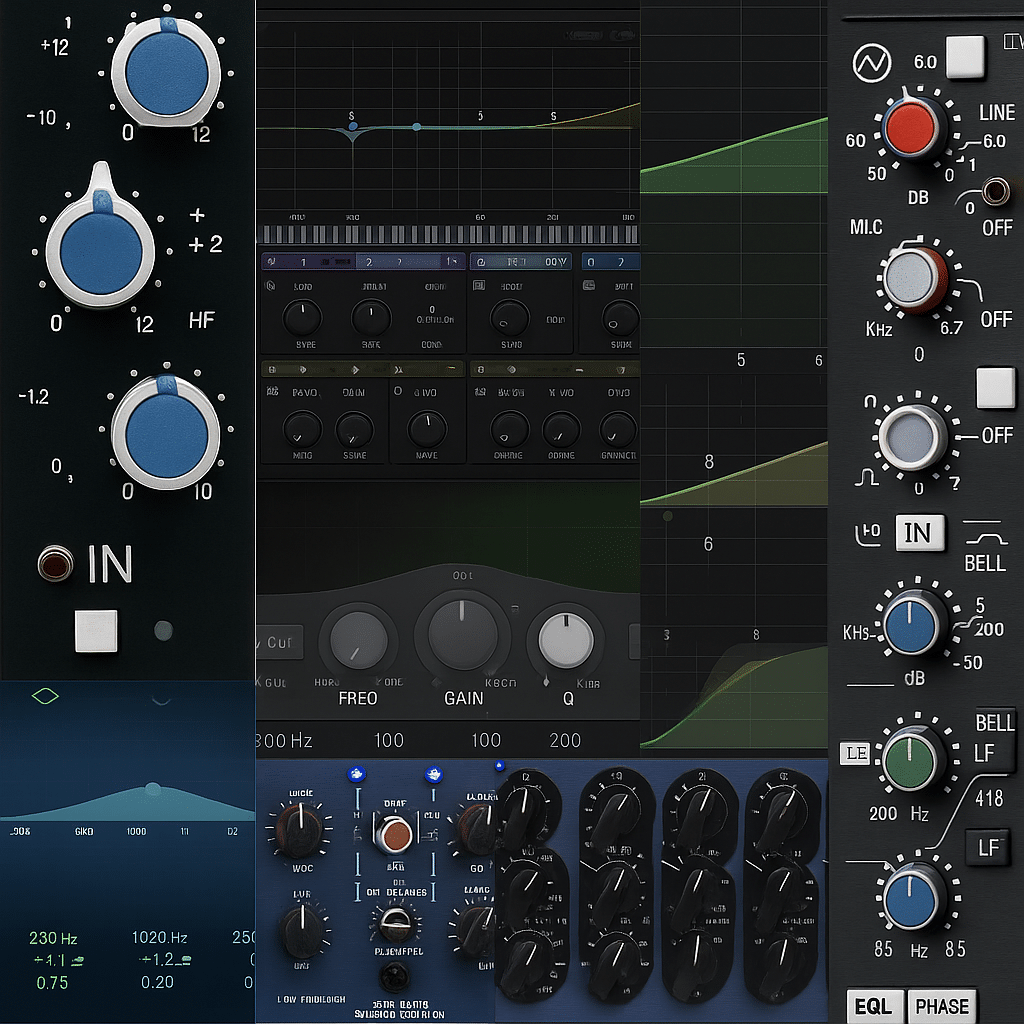
This course is designed to give you a deep understanding of equalisation (EQ), one of the most essential tools in music production, mixing, and mastering. You will learn how to use EQ effectively to shape sound, correct tonal imbalances, and enhance clarity in your mixes.

Throughout the course, we will cover:

  • The fundamentals of frequency ranges and how they relate to different instruments and vocals.
  • The different types of EQ (parametric, graphic, shelving, and dynamic EQ) and their applications.
  • Practical techniques for subtractive and additive EQing.
  • How to use EQ to create separation and balance in a mix.
  • Common EQ mistakes and how to avoid them.
  • Advanced EQ strategies for professional mixing and mastering.

Through hands-on exercises, real-world examples, and critical listening activities, you will gain the confidence to make informed EQ decisions in any production scenario. Whether you are a beginner looking to grasp the basics or an intermediate producer wanting to refine your skills, this course will help you develop a keen ear for frequency shaping and sonic enhancement.

Show More

Course Content

Foundations of EQ in Audio Postproduction
This module introduces the fundamentals of equalisation in the context of film and television audio postproduction. Students will explore how EQ is used differently in postproduction compared to music mixing, gain an understanding of the frequency spectrum, and learn about various types of EQ and their applications. By the end of this module, you will have a solid foundation in frequency manipulation and the tools available for EQ processing.

  • Lesson 1 – Introduction to Equalisation in Film & TV
  • Types of EQ

EQ in Sound Effects & Foley
Sound effects and Foley play a vital role in immersive sound design. In this module, students will explore how EQ is used to sculpt and balance sound effects, ensuring they blend naturally into the mix. The module also covers techniques for matching Foley to production sound, maintaining environmental realism, and using EQ creatively to enhance impact and perspective shifts in a scene.

Dialogue Equalisation & Cleaning Techniques
Dialogue clarity is one of the most critical aspects of film and TV audio. This module focuses on EQ techniques for improving dialogue intelligibility, removing unwanted resonances, and matching audio recorded in different locations. Students will also learn how to use EQ for noise reduction, handle issues like microphone proximity, and blend ADR seamlessly with location recordings.

EQ for Music in Film & TV
Music in film and TV needs to coexist with dialogue and effects without overwhelming the mix. This module covers EQ strategies for integrating music smoothly, avoiding frequency conflicts, and using mid-side EQ techniques for greater control. Students will also learn how EQ can be applied creatively to shape the emotional impact of a scene and reinforce storytelling through subtle frequency adjustments.

Professional Standards & Final Mixing
In the final module, students will explore industry standards for broadcast, cinema, and streaming platforms. Topics include EQ considerations for loudness compliance, tonal balance requirements, and final mix preparation. The course culminates in a hands-on project where students apply their EQ knowledge to a short film scene, receive feedback, and refine their techniques based on professional workflows.

Student Ratings & Reviews

No Review Yet
No Review Yet

Want to receive push notifications for all major on-site activities?

✕